
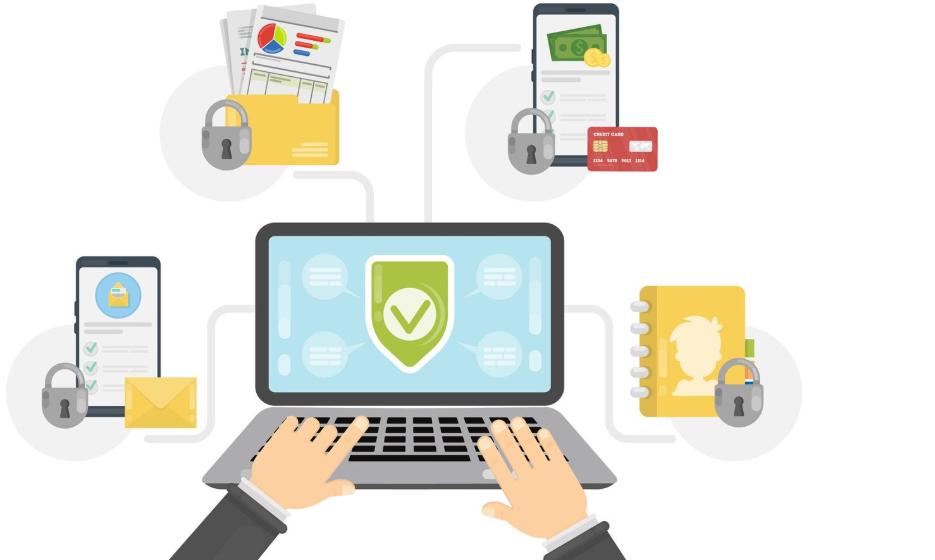
Digital payments have become an important part of modern business operations. From small retailers and service providers to growing online businesses, companies need reliable ways to collect customer payments, monitor transactions, and maintain accurate financial records. As payment volumes increase, security becomes equally important.
Choosing a suitable payment platform requires more than looking at payment acceptance options. Businesses should also evaluate security controls, transaction monitoring, user access, reporting, reliability, and customer support. A Secure Payment App can provide businesses with digital tools for managing eligible payment activities, while a Upi Payment Gateway can facilitate UPI-based payments through compatible business systems.
The right platform should balance convenience with appropriate security measures. Businesses should understand the available features, applicable charges, transaction processes, and responsibilities before integrating any payment service into their operations.
Why Payment Security Matters for Businesses
Every customer transaction involves financial information and business records. If payment processes are poorly managed, businesses may face risks such as unauthorised access, fraudulent transactions, data exposure, or reconciliation problems.
A secure payment setup can help businesses:
- Protect account access
- Monitor transactions
- Reduce operational errors
- Identify unusual activity
- Maintain payment records
- Support safer customer transactions
Security should therefore be considered from the beginning when selecting a payment platform.
What Is a Secure Payment App?
A Secure Payment App is a digital application designed to support payment-related activities while incorporating security controls to protect accounts and transactions.
Depending on the platform, features may include:
- Secure login
- Authentication controls
- Transaction notifications
- Payment history
- User permissions
- Transaction monitoring
- Reporting
Businesses should review the exact security features available rather than assuming that every application provides the same level of protection.
What Is a Upi Payment Gateway?
A Upi Payment Gateway is a payment infrastructure that enables businesses to accept UPI payments through compatible websites, applications, checkout systems, or other digital interfaces.
It can be useful for businesses that want to provide customers with a convenient digital payment option.
Depending on the setup, businesses may need to consider:
- Integration requirements
- Transaction processing
- Payment status updates
- Settlement processes
- Reconciliation
- Security controls
- Technical support
The exact functionality varies according to the payment service and business integration.
Look for Strong Authentication
Authentication is one of the fundamental components of payment security.
A payment platform should provide appropriate methods for verifying authorised users.
These may include:
- Password protection
- PINs
- One-time verification codes
- Device authentication
- Other supported security controls
Businesses should ensure that employees do not share login credentials.
Consider Role-Based Access
Not every employee needs access to every payment function.
A business can improve accountability by assigning permissions according to job responsibilities.
For example:
Cashier: Process customer payments
Accounts employee: Review transaction records
Manager: Approve selected financial actions
Owner: Manage broader payment settings
Role-based access can help reduce the risk of unauthorised changes.
Evaluate Transaction Monitoring
Transaction monitoring can help businesses identify unusual activity.
Businesses should be able to review relevant transaction information and investigate unexpected patterns.
Examples of activity that may require attention include:
- Unusually large transactions
- Multiple failed payment attempts
- Unexpected refunds
- Repeated reversals
- Unusual account activity
Monitoring does not eliminate fraud, but it can help businesses identify issues earlier.
Check Payment Status Visibility
A secure payment platform should make it clear whether a transaction is:
- Successful
- Pending
- Failed
- Reversed
- Refunded
Clear payment status information can help employees avoid mistakes.
For example, an employee should not release a high-value order based only on a customer’s claim that payment has been completed. The merchant-side transaction status should be checked through the appropriate system.
Protect Customer and Business Data
Payment systems may process sensitive information.
Businesses should understand how the platform handles:
- Customer information
- Transaction data
- Business account information
- Authentication details
- Payment records
The platform should provide appropriate safeguards for protecting stored and transmitted information.
Businesses should also follow their own internal data protection procedures.
Look for Secure Data Transmission
Payment information may travel between customers, merchants, payment systems, and financial institutions.
Businesses should consider whether the payment platform uses appropriate security measures for protecting data during transmission.
Technical security standards can change over time, so businesses should review current documentation and applicable compliance information before implementation.
Review Fraud Prevention Features
Fraud prevention is an important consideration when evaluating a payment platform.
Depending on the payment setup, security measures may include:
- Transaction monitoring
- Authentication
- Risk checks
- Alerts
- Account controls
- Payment verification
Businesses should understand which protections are provided by the platform and which controls remain the merchant’s responsibility.
Consider Payment Notifications
Payment notifications can help businesses become aware of transaction activity.
Depending on the system, notifications may be delivered through:
- Mobile applications
- SMS
- Dashboard alerts
- Compatible notification devices
Notifications can help employees monitor transactions without constantly checking payment records manually.
However, businesses should still use official transaction records when verifying important payments.
Look for Detailed Transaction History
A complete transaction history can support both security and accounting.
Businesses should ideally be able to review relevant information such as:
- Date and time
- Transaction amount
- Payment status
- Reference number
- Refund information
- Settlement details
Maintaining these records can help businesses investigate discrepancies and reconcile their accounts.
Consider Reconciliation Features
Payment reconciliation involves comparing sales records with payment transactions and settlement information.
For example, if a business records ₹2 lakh in digital sales, it can compare that figure with the corresponding payment and settlement records.
Differences may occur because of:
- Refunds
- Failed payments
- Reversals
- Processing charges
- Pending transactions
- Other adjustments
A platform that makes transaction records easy to access can simplify this process.
Evaluate UPI Payment Integration
Businesses that want to accept UPI payments should consider how easily the payment system can be integrated with their existing operations.
A Upi Payment Gateway may need to connect with:
- Websites
- Mobile applications
- Billing systems
- E-commerce platforms
- Accounting software
- Order management systems
Businesses should review technical requirements before implementation.
Check System Reliability
Security is important, but reliability also matters.
A payment platform should be capable of supporting regular transaction activity with minimal disruption.
Businesses should consider:
- Service availability
- Transaction processing speed
- System stability
- Error handling
- Maintenance procedures
- Technical support
Frequent interruptions can affect customer experience and business operations.
Review Settlement Processes
Businesses should understand when customer payments become available in their designated account.
Settlement timing can depend on:
- Payment method
- Transaction status
- Banking schedules
- Holidays
- Refunds
- Applicable processing arrangements
A business should not assume that every successful customer payment will immediately become available for withdrawal or use.
Understand the Fee Structure
Security and functionality should be considered alongside cost.
Potential charges may include:
- Payment processing fees
- Platform fees
- Integration costs
- Settlement-related charges
- Refund-related charges
- Other applicable service fees
Businesses should review the complete pricing structure before making a decision.
Consider Scalability
A payment setup that works for a small business today may need to support significantly more transactions in the future.
Businesses should consider whether the platform can accommodate:
- Higher transaction volumes
- More employees
- Additional payment channels
- Multiple business locations
- New digital sales channels
Scalability can reduce the need to replace payment infrastructure as the business grows.
Check User Activity Records
For businesses with multiple employees, activity logs can provide additional accountability.
Where available, businesses may benefit from knowing:
- Which user accessed the system
- When an action was performed
- Which transaction was modified
- Who approved a particular activity
Such records can support internal reviews and investigations.
Evaluate Customer Support
Technical issues can occur even with a reliable payment system.
Businesses should understand what support channels are available for:
- Failed transactions
- Payment disputes
- Account access issues
- Integration problems
- Settlement questions
- Security concerns
Accessible support can be particularly important for businesses that process payments throughout the day.
Keep Software Updated
Payment security is not only the responsibility of the platform.
Businesses should also keep their devices and applications updated.
This includes:
- Mobile devices
- Computers
- Payment applications
- Browsers
- Operating systems
- Integrated software
Updates may include security improvements and fixes for known vulnerabilities.
Train Employees
Employees play an important role in payment security.
Training should cover:
- Secure login practices
- Recognising suspicious messages
- Payment verification
- Refund procedures
- Customer information protection
- Handling unusual transactions
Employees should know that passwords, PINs, and verification codes must not be shared.
Avoid Unverified Payment Screenshots
Customers may occasionally show screenshots claiming that a payment has been completed.
Businesses should not treat screenshots as the final confirmation of a transaction.
Instead, employees should check the merchant-side transaction record.
This can help reduce the risk of releasing goods or services before payment has actually been confirmed.
Create Internal Payment Controls
Businesses can strengthen payment security by establishing clear procedures.
For example:
- Customer initiates payment.
- Employee checks payment status.
- Transaction is recorded.
- High-value transactions receive additional verification.
- Refunds require authorised approval.
- Payment records are reconciled regularly.
Clear procedures can help reduce mistakes and improve accountability.
Back Up Important Records
Businesses should maintain appropriate records of their payment activity.
These may include:
- Transaction reports
- Invoices
- Receipts
- Settlement statements
- Refund records
- Reconciliation reports
The retention period should follow applicable accounting, tax, and regulatory requirements.
Review Security Regularly
Payment security should be reviewed periodically rather than treated as a one-time task.
Businesses can assess:
- User permissions
- Account activity
- Failed login attempts
- Transaction patterns
- Software updates
- Device security
- Employee access
Regular reviews can help identify weaknesses before they become larger problems.
Compare Features With Actual Business Needs
Businesses should avoid choosing a payment platform simply because it offers a long list of features.
Instead, identify the capabilities that are genuinely required.
For example, an online business may prioritise payment gateway integration and transaction reporting, while a retail store may focus more on QR payments, notifications, and reconciliation.
The right solution depends on the business model and payment volume.
Conclusion
Selecting a secure business payment platform requires careful consideration of security, functionality, reliability, and cost. A Secure Payment App can provide tools for managing payment activities and transaction information, while a Upi Payment Gateway can help businesses accept UPI payments through compatible digital channels.
FAQs
1. What is a Secure Payment App?
A Secure Payment App is a digital application that supports payment-related activities with security features such as authentication, transaction monitoring, account controls, and payment records, depending on the platform.
2. What is a Upi Payment Gateway?
A Upi Payment Gateway enables businesses to accept UPI payments through compatible websites, applications, checkout systems, or other digital interfaces.
3. Which security features should businesses look for?
Businesses should consider authentication controls, role-based access, transaction monitoring, payment status visibility, fraud prevention measures, secure data handling, activity records, and regular security updates.
4. How can businesses protect payment accounts?
Businesses should use strong passwords, restrict employee access, enable available authentication controls, update software, secure devices, monitor transactions, and never share passwords, PINs, or verification codes.
5. Does a secure payment platform guarantee protection from fraud?
No. Security features can help reduce risks, but businesses must also use proper internal controls, employee training, transaction verification, and regular monitoring to protect payment activities.